CipherWatch Home

Category

Account Security

14 articles

After You Log Off for the Last Time: A Practical Guide to Securing Your Digital Legacy

After You Log Off for the Last Time: A Practical Guide to Securing Your Digital Legacy

Death is a certainty that most Americans plan for financially and legally, yet the digital dimension of an estate — email accounts, cloud storage, social media profiles, cryptocurrency wallets, and subscription services — is almost universally neglected. The consequences range from frustrating to catastrophic: families locked out of irreplaceable memories, criminals exploiting deceased individuals' identities for years, and digital assets lost permanently to inaccessible accounts. A structured a

Points, Perks, and Profiles: The Hidden Surveillance Economy Behind Your Rewards Card

Points, Perks, and Profiles: The Hidden Surveillance Economy Behind Your Rewards Card

That keychain fob or app-based rewards card feels like a simple way to save money, but it doubles as one of the most effective consumer surveillance tools ever devised. Major retailers systematically harvest purchase histories, location signals, and behavioral patterns through their loyalty programs — then monetize that data in ways most shoppers never anticipate. Here is what is actually being collected, who is buying it, and how to protect yourself without abandoning every discount you have ea

Usernames for Sale: Inside the Stolen Credential Economy That Fuels Modern Account Takeovers

Usernames for Sale: Inside the Stolen Credential Economy That Fuels Modern Account Takeovers

Stolen login credentials are among the most actively traded commodities in the cybercriminal underground — bought, packaged, and resold through a sophisticated market that operates at industrial scale. CipherWatch examines how breached usernames and passwords move through illicit channels, what determines their street value, and how account takeover cascades turn a single compromised login into a multi-platform disaster.

Same Bait, Different Hook: How Scammers Customize Their Attacks for Every Generation

Same Bait, Different Hook: How Scammers Customize Their Attacks for Every Generation

The assumption that only older adults fall for scams is not just wrong — it is actively dangerous. A new body of research reveals that Gen Z faces targeted fraud at rates that rival any other demographic, with attackers exploiting entirely different vulnerabilities. Understanding the generational fault lines in digital deception is the first step toward building defenses that actually work.

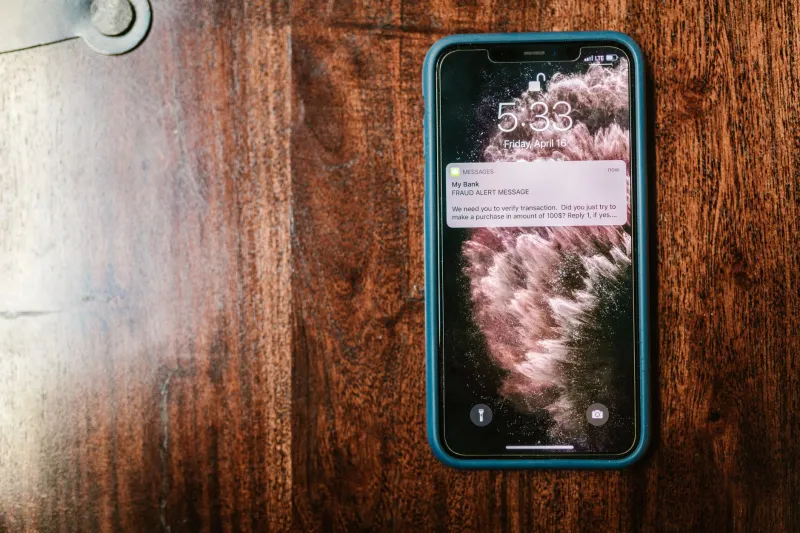
Push and Pull: How Predatory Notifications Exploit Your Attention and Compromise Your Security

Push and Pull: How Predatory Notifications Exploit Your Attention and Compromise Your Security

Push notifications were designed to keep users informed. In the hands of manipulative apps and malicious actors, they have become a precision instrument for harvesting credentials, driving impulsive clicks, and extracting money from distracted users. CipherWatch breaks down the psychology behind notification abuse and equips readers with concrete tools to take back control.

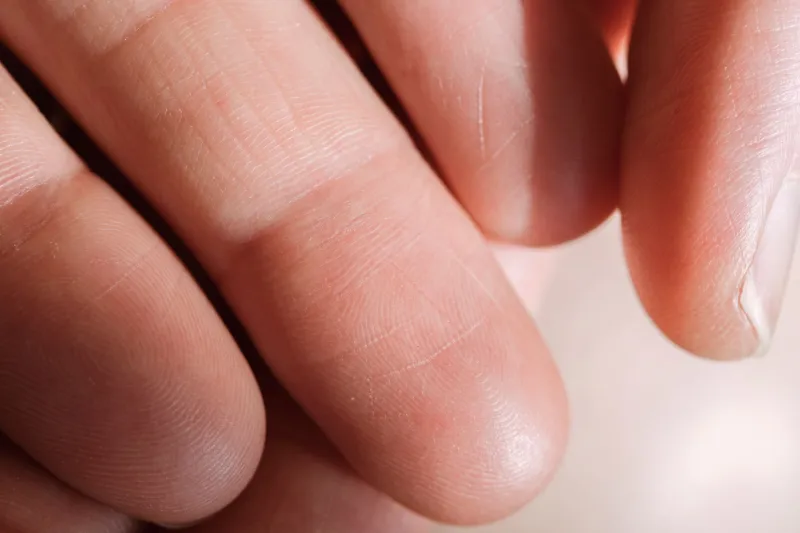
The Body as Password: Why Biometric Authentication Carries Risks That Stolen Credentials Never Could

The Body as Password: Why Biometric Authentication Carries Risks That Stolen Credentials Never Could

Fingerprints and facial scans have been marketed as the future of authentication — more convenient than passwords, more personal than PINs. But biometric data carries a fundamental vulnerability that no credential reset can fix: once compromised, it cannot be changed. This deep dive examines the spoofing techniques, data breach scenarios, and legal blind spots that make biometric authentication a more complex security proposition than most users realize.

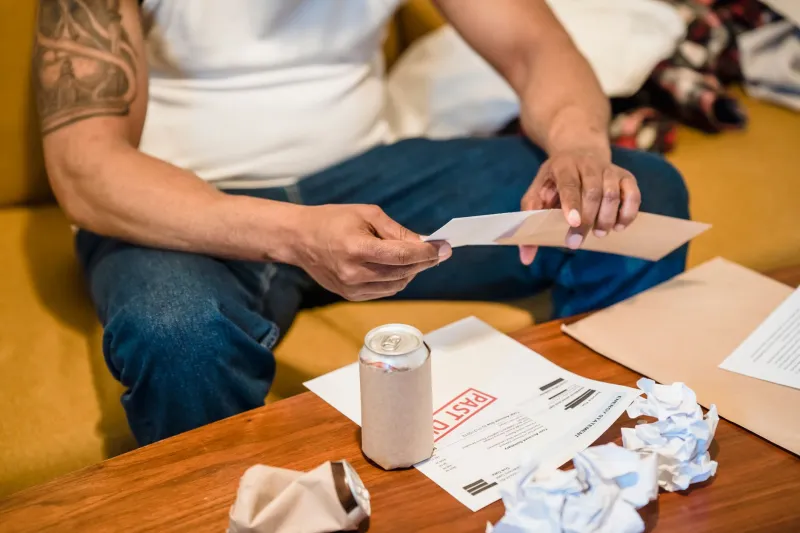
Ink and Identity: The Persistent Security Threat of Paper Documents in a Digital Age

Ink and Identity: The Persistent Security Threat of Paper Documents in a Digital Age

While cybersecurity discourse focuses heavily on digital vulnerabilities, a quieter and often underestimated threat persists in filing cabinets, recycling bins, and curbside mailboxes across America. Physical documents — tax returns, medical bills, bank statements, pre-approved credit card offers — remain one of the most accessible pathways to identity theft, requiring no technical sophistication from those who seek to exploit them. CipherWatch examines the real-world risks of paper and offers a

Recycled Keys to Old Locks: How Breached Passwords Continue to Fuel Account Takeovers Years Later

Recycled Keys to Old Locks: How Breached Passwords Continue to Fuel Account Takeovers Years Later

The password you used on a shopping site in 2013 may still be actively working against you today — tested against hundreds of platforms by automated bots running around the clock. Credential stuffing has evolved from a niche attacker technique into a mass-scale industrial operation, and the sheer volume of historical breach data circulating in underground markets means that old exposures rarely stay dormant. CipherWatch examines how these attacks work, how to find out if you're already a target,

When Encryption Isn't Enough: The Low-Tech Tactics That Can Unlock Any Secret

When Encryption Isn't Enough: The Low-Tech Tactics That Can Unlock Any Secret

Military-grade encryption and multi-factor authentication are formidable barriers against remote hackers — but they offer little protection when an adversary is standing in the same room. Understanding the physical and psychological tactics that circumvent even the strongest digital defenses is the first step toward building a truly complete security posture.

The Most Valuable File in the Room: Why Criminals Pay Top Dollar for Your Medical Records

The Most Valuable File in the Room: Why Criminals Pay Top Dollar for Your Medical Records

A Social Security number sells on criminal markets for a few dollars. A complete medical record can fetch fifty times that amount. As healthcare organizations become among the most frequently breached institutions in the United States, understanding why your diagnoses, prescriptions, and insurance details are so coveted — and what the consequences of exposure look like in practice — has become an essential dimension of personal digital security.

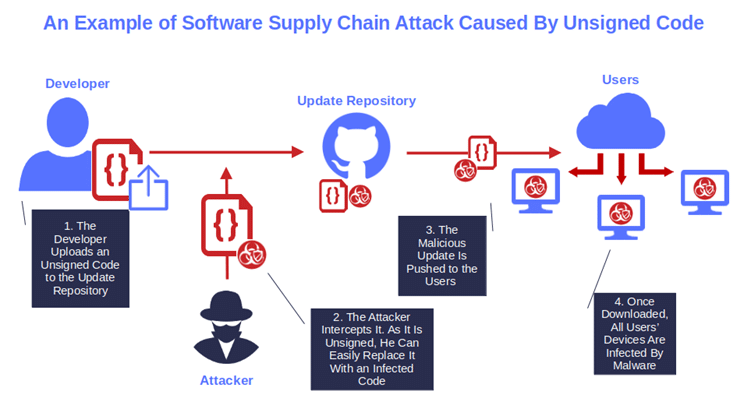
Poisoned at the Source: How Attackers Weaponize Software Updates Against the Users Who Trust Them

Poisoned at the Source: How Attackers Weaponize Software Updates Against the Users Who Trust Them

Software updates are supposed to make you safer. Supply-chain attackers have turned that assumption into a weapon, corrupting legitimate patches before they ever reach your machine. CipherWatch examines the mechanics behind these sophisticated intrusions, revisits the incidents that redefined enterprise security, and explains what individuals and small businesses can do to verify what they are actually installing.

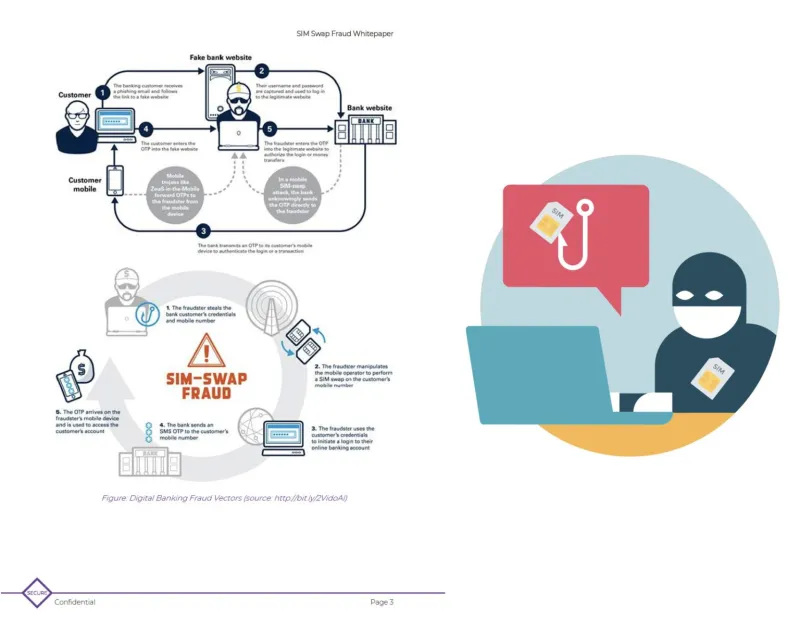
One Phone Call Away From Losing Everything: The SIM Swap Attack Explained

One Phone Call Away From Losing Everything: The SIM Swap Attack Explained

A single fraudulent call to a mobile carrier's customer service line can hand an attacker complete control of your phone number — and, with it, access to your bank accounts, email, and cryptocurrency holdings. SIM swapping has moved from a niche hacker technique to a mainstream financial crime, and the defenses available to most Americans remain dangerously underutilized.

Beyond the Password: Building a Layered Defense for Your Digital Identity

Passwords alone have become an increasingly inadequate shield against modern credential-based attacks. From authenticator apps to hardware security keys, the landscape of digital authentication has expanded dramatically — yet critical vulnerabilities persist even for users who have adopted multi-factor protection. This guide examines the full spectrum of authentication options and offers a practical roadmap for fortifying your most sensitive accounts.